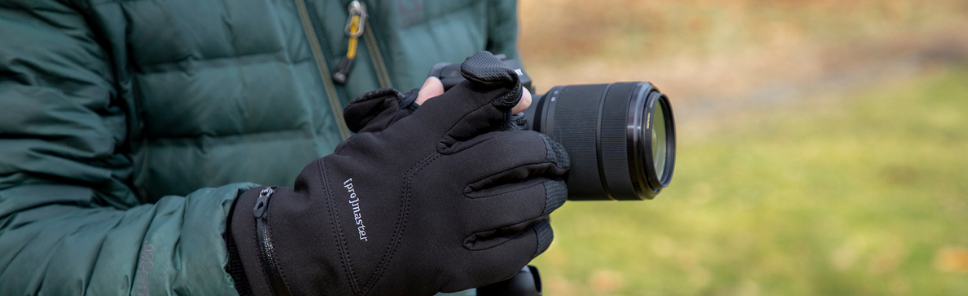
Tips for Better Travel Photography
Travel photography has a way of exposing both your strengths, weaknesses and your habits as a photographer. New locations, unfamiliar light, and limited time can either sharpen your instincts, or leave you scrambling. While gear and destinations matter, travel photography is far more about preparation, intention, and restraint than seeking out those iconic shots. These tips are meant to help you come home with images that feel thoughtful, personal, and consistent, no matter where you are in the world.
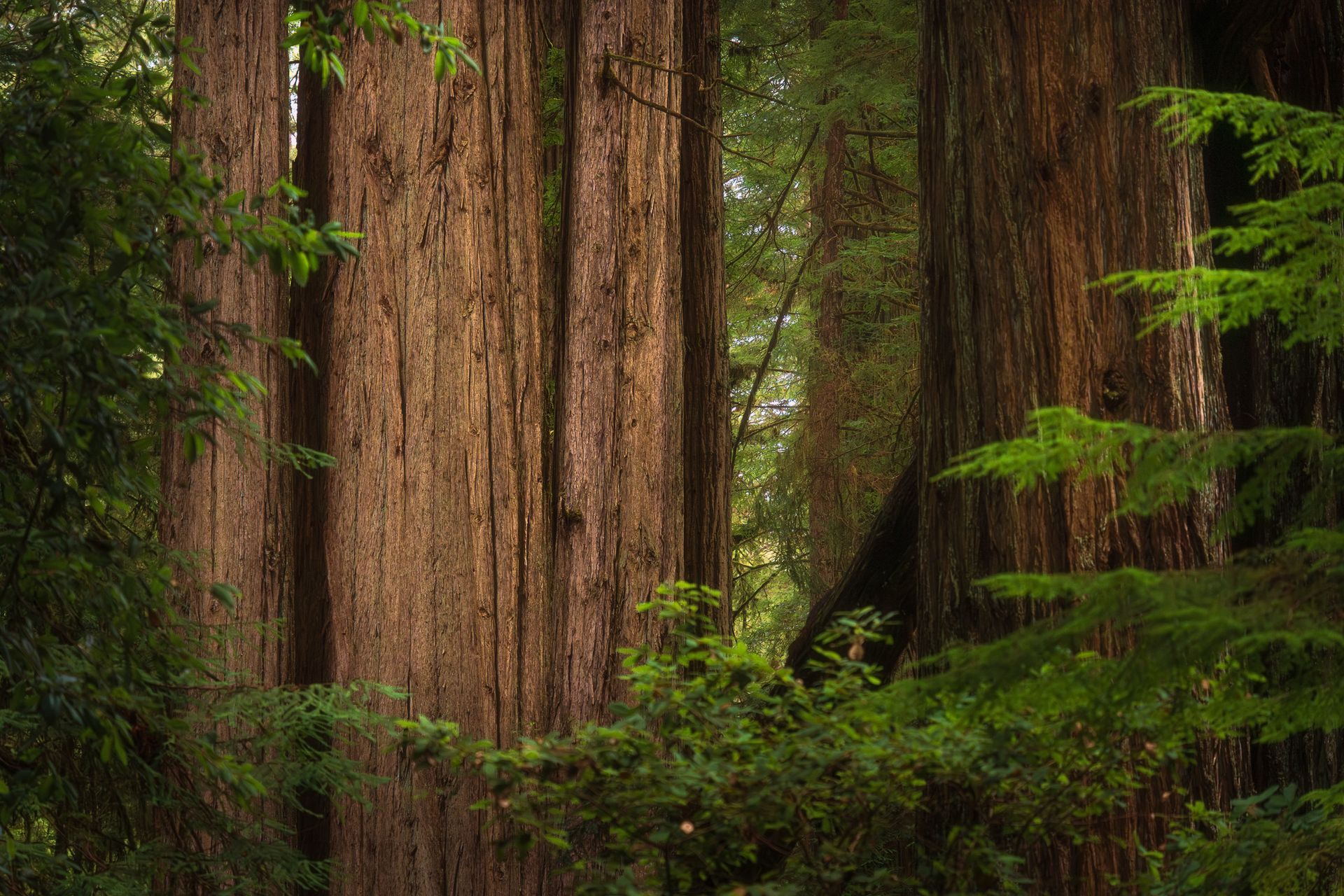
One of the biggest mistakes I make while traveling is shooting too quickly. It is tempting to start firing the moment you step into a new place, but doing so often leads to shallow, soulless compositions with repeated frames of the same idea.
One of the most valuable methods that I’ve added into my shooting routine is taking a few minutes to observe before even considering pulling the camera out. Notice where light falls and how it changes. Look for patterns, leading lines, or moments of contrast. See what gets you excited before forcing excitement into the frame. Slowing down early often leads to stronger images later, even when the pace of shooting speeds up.
A famous location does not guarantee a strong photograph. Light will always matter more than where you are standing. Harsh midday sun, flat overcast conditions, or cluttered highlights can drain life from even the most iconic scenes. It’s important to understand the timing of your visit, and that’s coming from someone who has a very,
very
hard time getting up for sunrise.
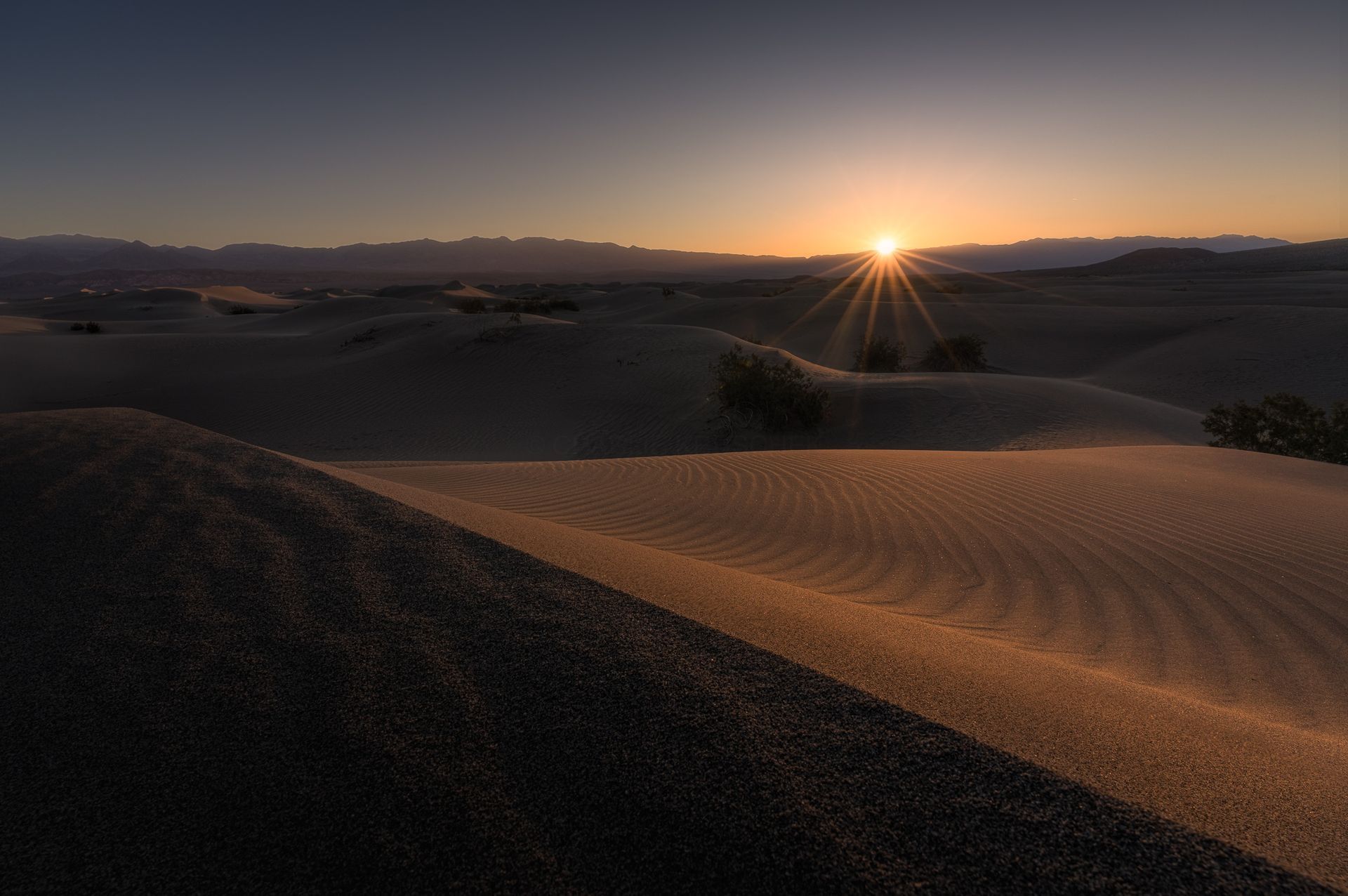
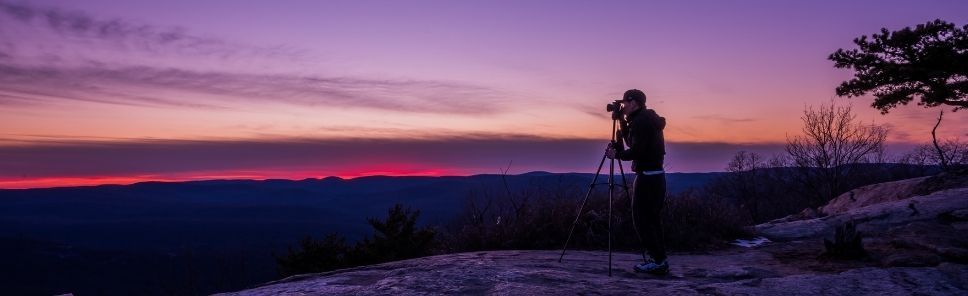
Whenever possible, plan your shooting around the quality of light rather than a checklist of locations. Early morning and late evening offer softer contrast, longer shadows, and more dimensional scenes. If the light is poor, use that time to scout, explore, edit or rest. Good light rewards patience.
Travel photography benefits from a lighter approach to gear. Choose tools that cover your needs without redundancy. A versatile zoom or a small set of primes is often more than enough. The goal is not to have every option available, but to know your arsenal well enough that using it feels instinctive. Familiarity builds confidence, and confidence shows in your images.
Instead of chasing isolated “hero” shots, think about building a cohesive set of images. This mindset shifts your focus from spectacle to storytelling and rhythm. Travel isn’t one image - it’s a series.
Look for a mix of wide scenes, medium context, and tight details. Pay attention to transitions, textures, and quieter moments between the obvious highlights. When images work together, they create a stronger sense of place than any single photograph ever could.
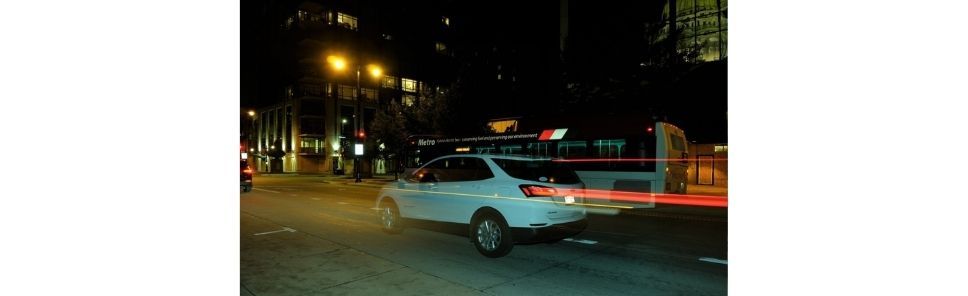
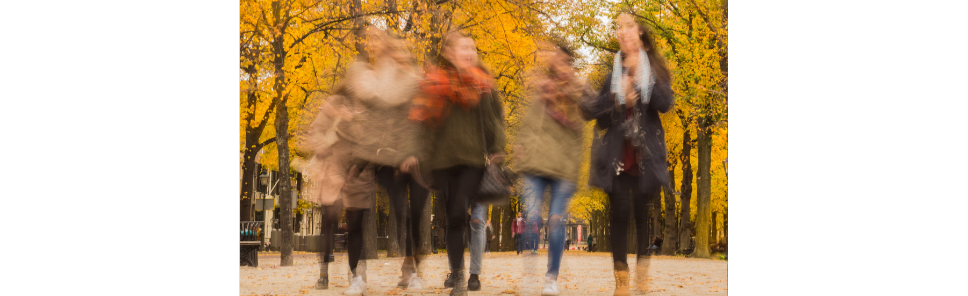
Not every travel image needs to be clean, sharp, and perfectly composed. Weather, motion blur, grain, and unconventional framing can add mood and honesty to your work. Fog, rain, crowds, and challenging conditions are not obstacles. In fact, these conditions are the ones I seek out. They are part of the environment you are documenting. Learning to work with imperfect conditions rather than fighting them often results in more memorable photographs.
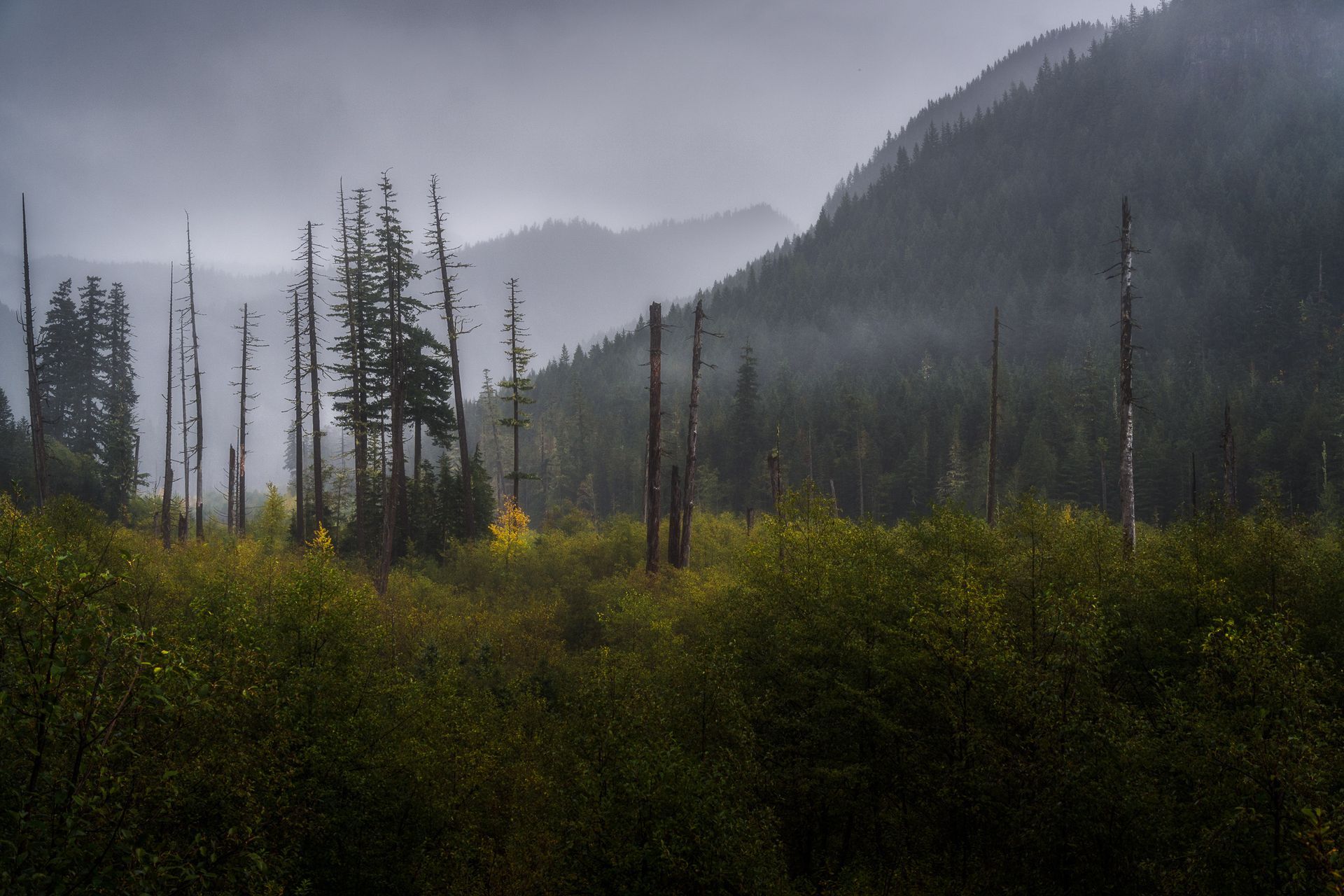
Relying too heavily on automatic modes can lead to inconsistent results, especially in changing environments. Take control of your exposure when it matters. Know when to protect highlights, when to let shadows fall, and when motion should be frozen or embraced. A basic understanding of how shutter speed, aperture, and ISO interact allows you to adapt quickly without overthinking. There is still a time and place for Auto mode; It can help jumpstart your creative thinking for settings.
It may sound counterintuitive, but stepping away from the camera can improve your photography. Constant shooting can lead to visual fatigue and creative burnout. Allow yourself to experience places without documenting everything. These moments often sharpen your awareness and help you return to shooting with clearer intent. Presence fuels creativity more than constant capture.
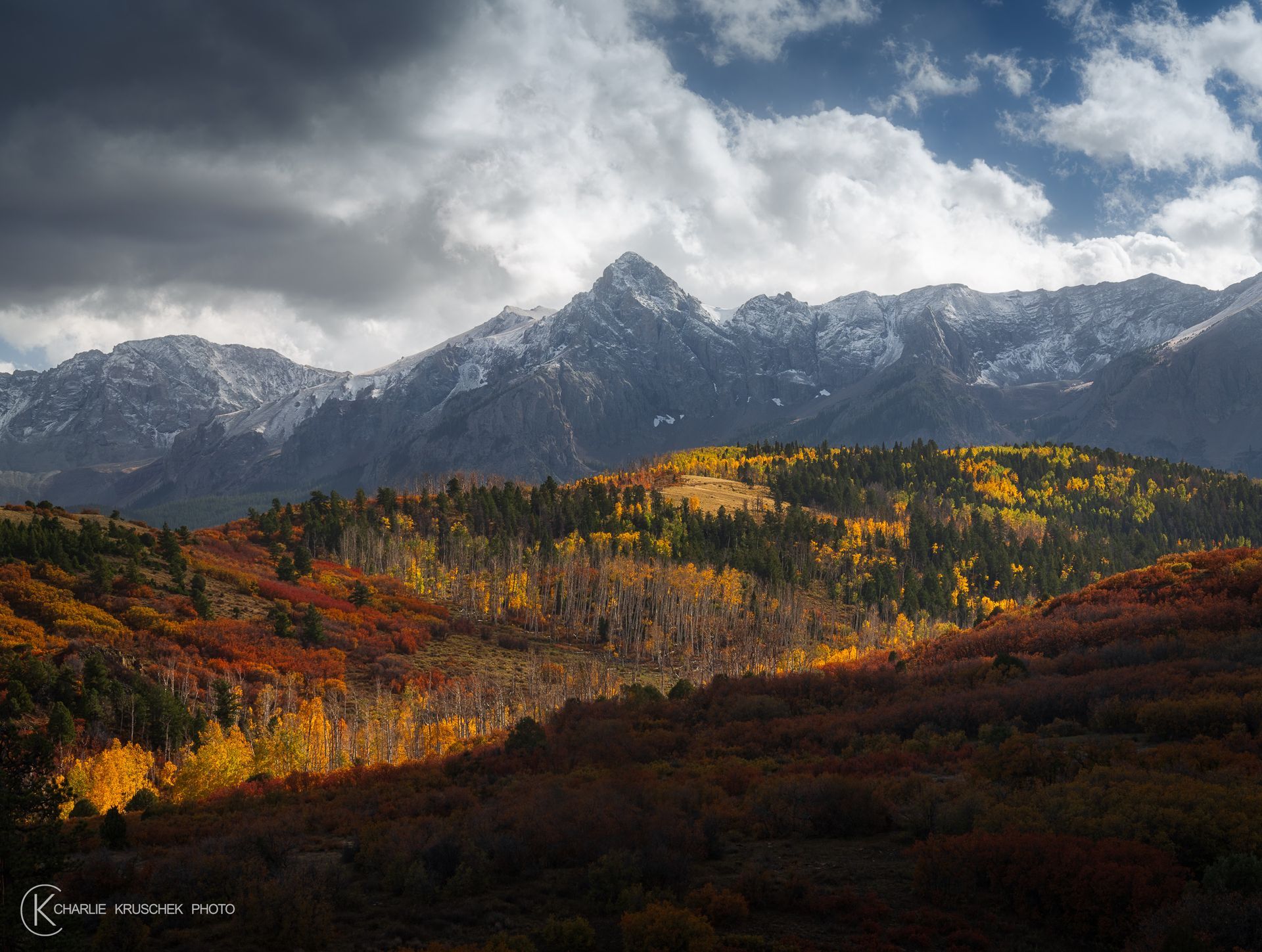
Better travel photography comes from intention, patience, and awareness. It is less about chasing landmarks and more about responding to light, atmosphere, and moments as they unfold. By simplifying your approach and staying present, your images will begin to reflect not just where you went, but how it felt to be there.
Recent POsts